

The trend toward algorithm-assisted event curating is gradually taking shape, resembling a subtle ripple beneath a long-intuitive and taste-driven sector. Data is no longer a decorative item, according to discussions with festival organizers in recent days. It’s evolving into a tool that, when properly adjusted, can provide clarity in areas where ambiguity previously controlled logistics, talent forecasting, and negotiations. Algorithms, according to some organizers, are like a swarm of bees, with each little analytical unit buzzing around various kinds of information to create a map of potential collisions between danger and thrill.
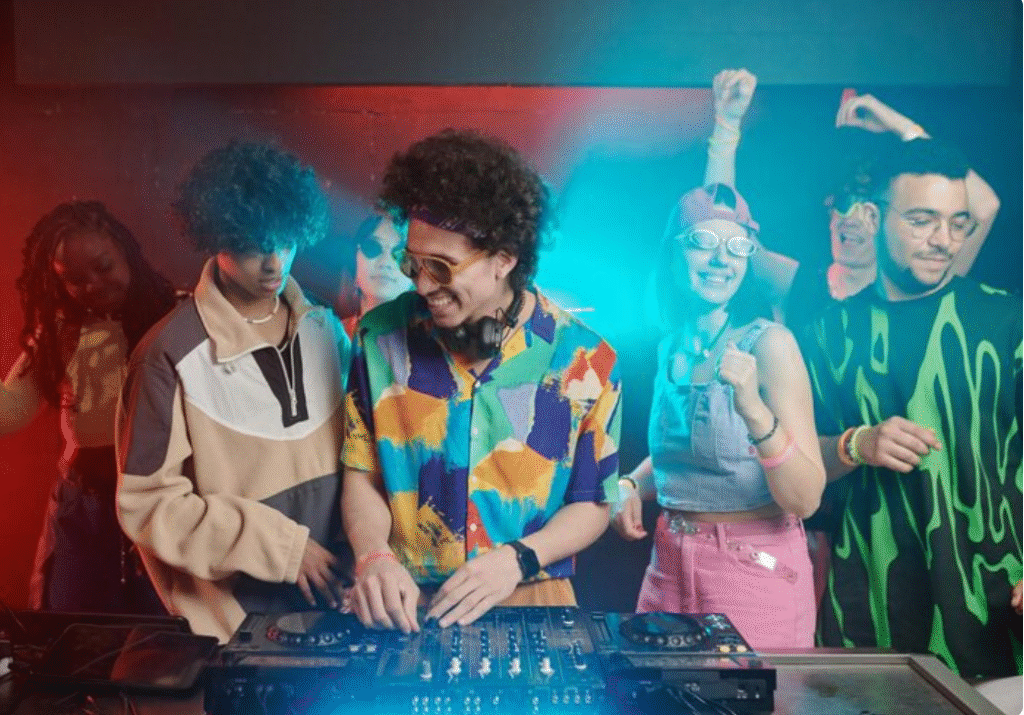
Decades of sold-out performances, cancelled sets, and spectacular debuts have influenced human judgment, which is still a major component of the current strategy. Curators frequently explain that their job is a combination of memory and intuition, recalling how one unexpected booking sparked a festival’s reputation or how particular acts energized a crowd. Even the most traditional organizers were forced to reevaluate their methods for measuring crowd enthusiasm during the pandemic due to remote partnerships and the lack of easily available live feedback. To maintain momentum, several promoters started using advanced analytics to examine social conversation, streaming surges, and tour statistics. Despite being forced at first, that change laid the groundwork for the algorithmic turn that is currently gaining traction.
| Platform / Entity | Current Role in Festival Curation | Future Algorithmic Contribution | Notes |
|---|---|---|---|
| Spotify | Tracks listening patterns, regional popularity, and viral shifts | Predictive talent spotting through deeper behavioral analysis | Particularly influential for emerging artist detection |
| Apple Music | Measures listener retention and catalog exploration | Helps forecast long-term artist growth with highly efficient modeling | Data considered exceptionally reliable for industry partners |
| TikTok | Drives viral moments that reshape ticket demand | Predicts short-term breakouts and stage-slot optimization | Particularly innovative for trend acceleration |
| Festival Organizers | Rely on negotiation, instinct, and industry experience | Hybrid collaboration with AI to reduce financial risk | Their instincts remain extremely reliable for artistic identity |
| Booking Agencies | Connect artists with festivals and manage fees | Use algorithmic projections to set balanced budgets | Notably improved forecasting accuracy expected |
When curators are looking for balance, human intuition is still extremely effective. For example, they can combine genres in ways that feel both familiar and new, or they can pair a legacy legend with a rising star. Curators frequently defend this instinctual component by citing instances that no dataset could have predicted, like when an audience of thousands was astonished by an underappreciated performance. Even so, they admit that algorithms are especially useful for analyzing trends at a rate that no team, no matter how interconnected, can match. The message is very apparent from conversations with booking agencies: data does not replace artistry; rather, it fortifies the foundation that supports it.
Examining the financial concerns festivals face makes it much more convincing. Many festivals run on thin margins, and a single headliner might cost millions. Organizers should steer clear of expensive blunders that have typically put a burden on budgets by incorporating predictive algorithms that forecast demand with noticeably better accuracy. Some promoters are already experimenting with early forecasts that evaluate the possibility of ticket surges or slowdowns through strategic relationships with analytics businesses, assisting them in precisely recalibrating their lineups. Even while the strategy is still developing, it has significantly increased investor trust compared to those who previously depended on intuition.
Finding the next big headliner before prices soar is typically a difficulty for medium-sized festivals. Algorithmic scouting has become extremely flexible in this regard, delving into fan overlap, geographic heat maps, and listening behavior. According to one promoter, it’s like having thousands of little scouts spread out over the scene, reporting back on who’s attracting attention and who’s losing it. Algorithms can detect musicians that might not exhibit overt momentum but have fervently devoted fan bases that regularly sell tickets by examining long-tail listening habits. This information is incredibly resilient, especially when curators want to update lineups without sacrificing financial stability.
Meanwhile, fans might soon notice a change that seems nearly tailored to them. Schedules and maps are already available on apps, but in the years to come, these resources may serve as perceptive companions, directing visitors to sets that suit their preferences with remarkably precise recommendations. In order to make the festival feel customized rather than generic, festival apps may partner with streaming services to showcase fresh performers that attendees were unaware they were destined to enjoy. Particularly among younger fans whose musical identities are formed dynamically rather than through static genres, the shift may encourage deeper engagement.
Algorithmic curation’s social effects merit careful analysis of its own. Some artists are concerned that relying too much on statistics could hurt others who don’t expand quickly or who don’t use social media. There are often comparisons to past changes in the industry, such as the automation of radio playlists. However, seasoned professionals in the field contend that carefully crafted algorithms have the potential to enhance diversity rather than diminish it. Predictive algorithms can boost acts that might otherwise fall between the cracks of traditional scouting by identifying specific fan clusters or areas where underrepresented talents flourish. Similar analytics changed access in the field of education; festival curation might change in a way that reflects that inclusivity.
Promoters frequently bring to Coachella, Glastonbury, and Lollapalooza when talking about this shift—not because these festivals intend to replace their experienced curators, but rather because they covertly test new data models. An algorithm identified a then-up-and-coming musician based on exceptionally strong retention rates among late-night listeners, according to one organizer. Shortly after, that performer, who had previously been passed over by conventional scouts, sold out many venues and eventually secured a prestigious festival spot. These anecdotes are becoming more common, supporting the idea that fusing artistic intuition with rigorous statistics creates opportunities rather than limits them.
As these systems grow, the interaction between AI tools and human curators might resemble a conductor leading a highly effective symphony, with each instrument being valuable but the emotional core still being formed by a person who is sensitive to subtleties. Curators stress that rather than making decisions, automated recommendations feel more like counselors. They eliminate clutter, draw attention to trends, and shed light on probabilities that used to take weeks of work to find. Festivals can preserve the surprise that fans value while making sure lineups continue to be financially viable by using this information strategically.
Some artists have voiced concern that algorithms may classify them too strictly. However, discussions with data engineers reveal a different goal. Instead than categorizing performances into out-of-date categories, several teams create models that welcome fluidity, identifying hybrid genres and crossover audiences. Event platforms may eventually guarantee transparent royalties monitoring and more equitable compensation by incorporating blockchain technology, allaying long-standing worries about imbalance. The force driving these changes points to a larger trend in the direction of equity.
The hybrid approach, in which algorithms and human creatives cohabit, seems especially novel and perhaps unavoidable. It reflects patterns in a number of industries where automation enhances rather than replaces physical labor. The artistic essence of a festival will still be determined by curators, but algorithms will work as silent collaborators, streamlining operations and exposing untapped potential. Early-adopter festivals report much less stress from planning and more efficient workflows since the implementation of these helpful solutions, freeing them time for more ambitious artistic endeavors.
